
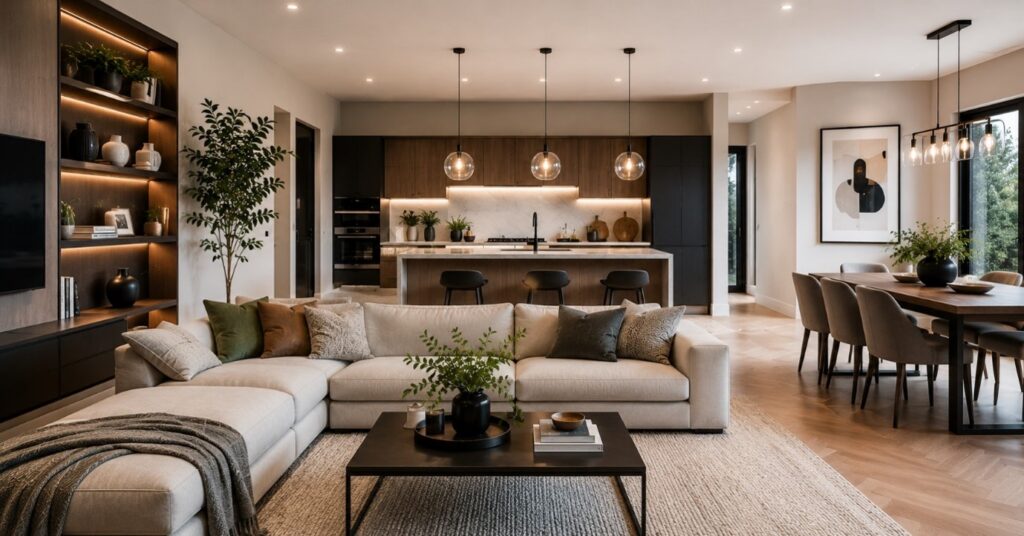
A home can look tired long before it stops being functional. More often, the real issue is that it no longer suits the way you live. That is where interior refurbishment services make a meaningful difference – not just by refreshing finishes, but by improving layout, flow, storage and day-to-day comfort in a way that feels considered and lasting.
For many homeowners, the trigger is familiar. A kitchen feels closed off from family life, a bathroom looks dated, or several rooms have gradually lost any sense of cohesion. In some cases, the property itself has strong bones but the interior lacks the quality, practicality or visual consistency expected from a long-term home. Refurbishment addresses that gap between what your house is and what it could be.
What interior refurbishment services really include
The phrase can mean different things depending on the property and the client brief. At one end, it may involve a cosmetic overhaul with new flooring, joinery, lighting, decorating and improved finishes. At the other, it can mean a full internal transformation with structural alterations, reconfigured rooms, upgraded plumbing and electrics, bespoke storage and carefully managed final detailing.
The key point is that good refurbishment is not random improvement. It is a joined-up process that considers how each part of the interior works with the rest. A beautiful kitchen will still disappoint if the lighting is poor. A stylish bathroom can feel underwhelming if the storage has been overlooked. New finishes across the home can lose impact if door lines, ironmongery and trim details are inconsistent.
This is why experienced refurbishment specialists begin with the whole picture. They look at circulation, natural light, the needs of the household, and the level of finish the property deserves. The result should feel intentional, not pieced together room by room.
Why homeowners choose interior refurbishment services
Most clients are not refurbishing for the sake of change. They want their homes to support a better standard of living. That might mean creating open-plan family space, improving storage in a period property, modernising tired interiors before moving in, or raising the quality of a recently purchased house to match personal taste.
There is also a financial case, although it depends on the project. A well-planned refurbishment can increase appeal and value, particularly when kitchens, bathrooms and overall finish quality are brought up to a high standard. Yet the strongest reason is usually lifestyle. If you plan to stay in the property, the return is measured not just in resale terms but in how the home feels every day.
That distinction matters. Chasing value alone can lead to safe, generic choices. Refurbishing for your own lifestyle opens the door to better design decisions – practical family layouts, tailored storage, durable materials and details that reflect how you actually use the space.
Interior refurbishment services for different types of home
No two properties require the same approach. A Victorian terrace may need careful internal reworking to create better flow without losing character. A flat might need smarter space planning and built-in joinery rather than major structural change. A larger detached home may call for full internal modernisation, with multiple rooms redesigned to create a more refined and consistent living environment.
In London and surrounding areas, there is often an added layer of complexity. Homes can come with awkward room proportions, ageing services, limited access, neighbouring properties close by and a mix of old alterations carried out over many years. These are manageable issues, but they reward proper planning.
The best results come when refurbishment balances ambition with realism. Not every wall should come down. Not every trend will age well. Sometimes the right decision is to retain and elevate what already works, then focus budget on the changes that will genuinely improve everyday life.
The difference between refurbishment and simple redecoration
Redecoration changes the surface. Refurbishment changes the experience of the home.
That may sound subtle, but it affects everything from budget to outcome. If walls are repainted and new flooring is laid, the space may look fresher for a while. If the plan is poor, storage is inadequate and lighting is badly considered, the underlying frustrations remain. Refurbishment goes deeper by solving those practical shortcomings while improving appearance at the same time.
This is particularly relevant in kitchens, bathrooms and open-plan living spaces, where visual quality and function are closely linked. A premium finish means little if the room is awkward to use. Likewise, a practical room can still feel disappointing if the detailing lacks consistency or the materials do not suit the property.
How a well-managed refurbishment reduces stress
Homeowners often worry less about the final result than about the process of getting there. Delays, shifting costs, poor communication and unclear responsibility are common concerns, and understandably so. Interior work can be disruptive, especially when multiple trades, suppliers and decisions must be coordinated over several weeks or months.
This is where project management becomes just as important as craftsmanship. A refurbishment should run to a clear programme, with itemised costs, agreed scope, realistic sequencing and regular communication. Decisions need to be made at the right time, materials ordered properly and trades scheduled in the right order. Without that discipline, even good workmanship can be overshadowed by frustration.
A single-source approach tends to work well for this reason. When design input, planning, build coordination and finishing are managed as one service, there is less room for confusion and far greater control over quality. For clients who want Interior Renovation Services in London made simple, that joined-up delivery is often what turns a demanding project into a genuinely positive experience.
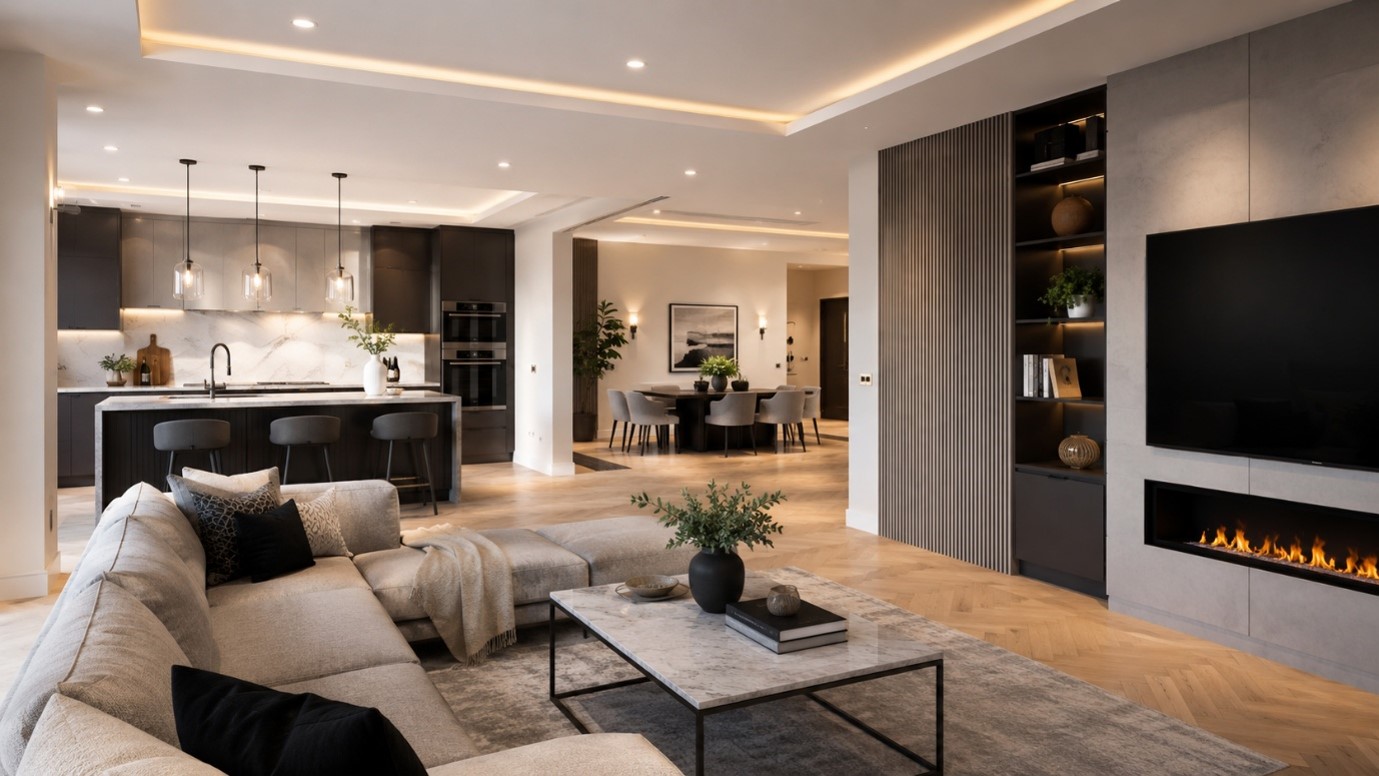
What to expect from professional interior refurbishment services
A professional service should begin with listening. Before drawings, specifications or pricing, there needs to be a proper understanding of how you live, what the property lacks and what standard of finish you expect. The strongest projects are shaped around a client brief, not a stock formula.
From there, the process should become more structured. Concepts are refined into plans. Priorities are aligned with budget. Materials and finishes are selected with both appearance and durability in mind. Timelines are set realistically. Once work begins, there should be visible control over site management, workmanship and communication.
You should also expect honesty. Some ideas are worth pursuing; others may not justify the cost or disruption. A dependable refurbishment partner will say so. That kind of guidance protects the project and usually leads to better decisions.
For premium residential clients, detail matters. Clean junctions, consistent finishes, well-resolved lighting, precise joinery and thoughtful storage are not extras. They are what make the space feel polished. This is often where the difference becomes clear between a general builder and a team focused on high-quality transformation.
Choosing the right scope for your home
One of the biggest mistakes in refurbishment is setting the scope too narrowly. If you only update the visible elements, older issues can quickly undermine the result. Equally, overextending the project can create unnecessary cost and complexity.
The right scope sits somewhere between those extremes. In some homes, a targeted kitchen and ground floor refurbishment delivers the best outcome. In others, especially where finishes and services are dated throughout, a full-house approach is more efficient and creates a far stronger final result. It depends on the age of the property, your long-term plans, your tolerance for disruption and the condition of what sits behind the walls.
This is where early professional advice has real value. An experienced team can help identify what should be done now, what can wait, and where spending more will genuinely improve the finish, performance and longevity of the work.
Interior refurbishment services as a long-term investment
The best refurbishment projects do more than make a home look impressive on completion day. They continue to perform. Materials wear well. Storage remains useful. Lighting still feels right through different seasons and routines. The layout supports changing family needs rather than fighting against them.
That is why quality should be assessed beyond appearance alone. Craftsmanship, build sequencing, finish consistency and practical design all shape the lifespan of the result. A cheaper scheme may seem attractive at first, but if corners are cut on preparation, detailing or coordination, the cost often returns in snagging, repairs and disappointment.
For homeowners who care about quality living, refurbishment should feel like a thoughtful upgrade to everyday life. It should make mornings easier, evenings more comfortable and the home itself more enjoyable to spend time in. When managed properly, it brings clarity to spaces that once felt compromised and confidence to a process that many people understandably approach with caution.
A well-refurbished interior should not simply look new. It should feel right for the way you live now, and still feel right years from now.