
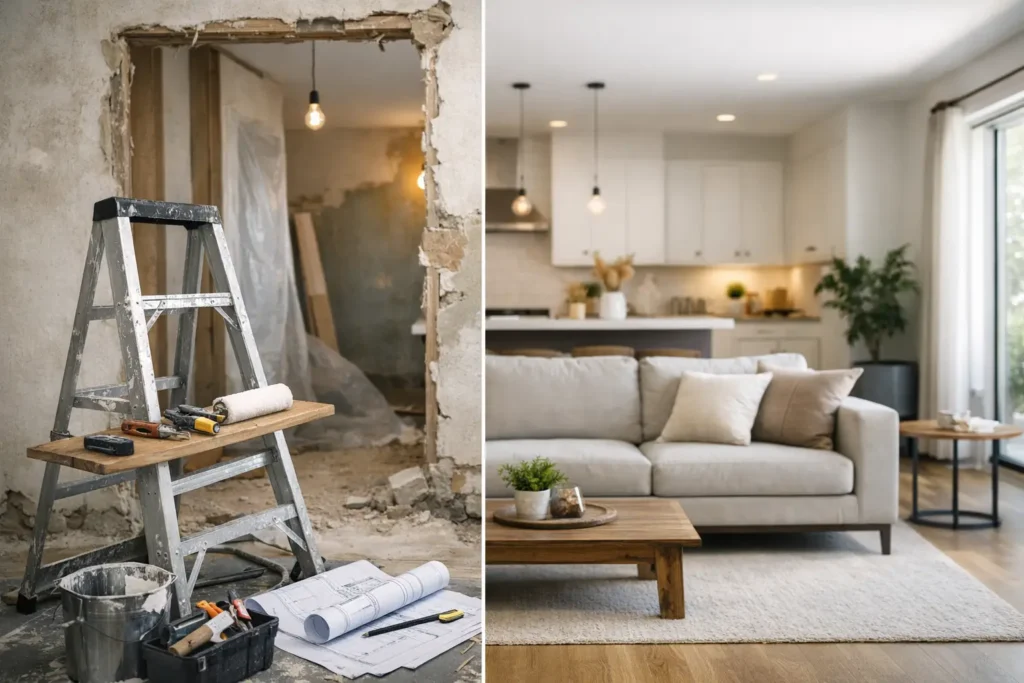
Most homeowners ask what is interior renovation at the point when their house no longer fits the way they live. The kitchen feels closed off, the bathroom is tired, storage is poor, or the layout simply does not support family life in the way it should. Interior renovation is the process of improving, upgrading or reconfiguring the inside of a home so it functions better, looks better and feels more aligned with your lifestyle.
That sounds straightforward, but in practice interior renovation can mean very different things depending on the property, the goals and the level of finish you want to achieve. For some households, it is a single room upgrade. For others, it is a full internal transformation with structural changes, new services, bespoke joinery and coordinated finishing throughout.
What is interior renovation in practical terms?
Interior renovation is more than decorating. It goes beyond changing paint colours, replacing soft furnishings or refreshing a few finishes. A true renovation improves the fabric, layout and usability of the interior space.
That might include removing internal walls to create open plan living, redesigning a kitchen to improve flow, modernising a bathroom, replacing flooring, upgrading lighting, improving storage, fitting new doors and skirting, or renewing plasterwork and finishes. In more comprehensive projects, it can also involve plumbing, electrics, heating upgrades and structural alterations.
The key idea is change with purpose. A well planned interior renovation is not just about making a house look newer. It is about making it work better for the people who live there.
What interior renovation usually includes
The scope depends on the property and the brief, but most interior renovation projects sit somewhere between cosmetic improvement and full internal reconfiguration.
A lighter renovation may focus on surfaces and fixtures. This can include new flooring, wall finishes, lighting, fitted storage, internal doors, kitchen cabinetry or bathroom fittings. These changes can have a major visual impact, especially in older homes where the interiors feel dated.
A more substantial renovation often addresses the layout itself. This is where the project becomes transformative. Rooms may be opened up, underused spaces repurposed, circulation improved and practical features added to support daily life. Families often choose this route when they want their home to feel larger, brighter and easier to use without moving house.
In period homes, renovation may also involve restoring character while discreetly introducing modern comfort. In newer properties, it is often about adding personality, improving quality and correcting layouts that feel generic or inefficient.
Interior renovation vs redecorating
This is where many homeowners pause. If you repaint walls and replace a few fittings, is that renovation?
Usually, no. Redecorating is primarily surface level. It refreshes appearance but does not significantly change how a space performs. Interior renovation goes further. It improves the structure, function or fitted elements of the interior.
For example, repainting a kitchen is decorating. Replanning the kitchen layout, installing new cabinetry, upgrading lighting and improving storage is renovation. Replacing bathroom accessories is decorating. Stripping the room back, waterproofing properly, installing new sanitaryware and improving ventilation is renovation.
The distinction matters because renovation requires more planning, clearer budgeting and stronger project coordination. It also tends to deliver more meaningful long term value.
Why homeowners choose to renovate indoors
The most common reason is simple: the house no longer supports modern living. A home may have enough square footage, but if the layout is awkward or the interiors are worn, it can still feel frustrating every day.
Interior renovation solves practical problems. It can create better family zones, increase storage, improve natural light, modernise tired rooms and make the home easier to maintain. It can also support changing needs, such as home working, multi-generational living or preparing a property for later life.
There is also an emotional side to it. People want to enjoy their homes. They want spaces that feel calm, considered and reflective of their taste. When renovation is handled well, the result is not just visual improvement. It is a better daily experience, from the first cup of tea in the morning to the way the house works when guests visit.
What makes a renovation successful
A successful interior renovation is rarely the result of good materials alone. It comes from thoughtful design, careful planning and disciplined delivery.
The best projects begin with clarity. What is not working now? What needs to improve? Which spaces matter most? A family kitchen renovation will have different priorities from a principal bedroom suite or a full house interior upgrade. Once the objectives are clear, the design and specification can be shaped around them.
Budget transparency is just as important. Homeowners often worry about costs drifting during the build, and fairly so. The more detailed the planning and quotation process, the more confidence you can have in the outcome. Itemised pricing, realistic allowances and honest conversations early on make for a much smoother project later.
Good project management is where many renovations succeed or fail. Even a relatively modest interior scheme involves multiple moving parts, from design decisions and product lead times to trades coordination and finishing sequences. When these are properly managed, the process feels controlled rather than chaotic.
The stages of an interior renovation project
Most interior renovations follow a similar path, even though the level of complexity can vary.
It starts with consultation and concept planning. This is where your goals, style preferences, practical requirements and budget are brought together. At this stage, it is useful to think not only about what you want the home to look like, but also how you want it to function on an ordinary weekday.
Next comes design development and scope definition. Layouts are refined, materials selected and technical requirements considered. If structural work is involved, drawings and approvals may be needed before building begins.
Construction and installation follow. Depending on the project, this could include strip out works, structural alterations, first-fix electrics and plumbing, plastering, joinery, kitchen or bathroom installation, flooring and decorating. The sequence matters. So does communication, especially if you are living in the property during the works.
The final stage is snagging and handover. This is where details are reviewed, final adjustments are made and the finished space is prepared for everyday use. It is also the point where good workmanship becomes most visible.
Tradeoffs to consider before you begin
Interior renovation is highly rewarding, but it is not without decisions and compromises.
One of the main trade offs is between ambition and budget. It is often possible to achieve a striking result through smart design choices rather than simply spending more, but priorities still need to be clear. If the budget cannot stretch to a full house renovation, it may be better to focus on the spaces that will have the biggest effect on daily life.
There is also the question of disruption. Some homeowners can remain in the property during works, while others prefer to move out temporarily, especially if kitchens, bathrooms or major structural changes are involved. The right choice depends on the scale of the renovation, the household routine and the expected programme.
Older homes can bring hidden conditions as well. Uneven walls, ageing pipework or outdated electrics are not unusual once works begin. This does not mean the project is off track, but it does underline the value of working with an experienced team that plans carefully and communicates clearly.
Is interior renovation worth it?
In many cases, yes particularly when the alternative is moving to a more suitable property at far greater cost and inconvenience. Renovating the interior allows homeowners to improve the home they already have, often in a more personal and considered way than buying somewhere new.
The value is not only financial. A well executed renovation can make a home easier to live in, more enjoyable to spend time in and better suited to long term plans. It can also raise the standard of finish and functionality across the property, which tends to support market appeal if you ever choose to sell.
That said, value depends on execution. Poor planning, vague pricing and inconsistent workmanship can turn a promising idea into a stressful experience. This is why many homeowners prefer a fully managed approach, where design, build and coordination sit under one roof. For clients who want quality, clarity and dependable timelines, that structure often makes all the difference.
At ARC Global Engineering, that is exactly how interior renovation is approached as a guided process built around craftsmanship, communication and a finished result that genuinely improves the way you live.
If you are wondering whether your home needs an interior renovation, a good starting point is to look beyond appearances. Ask whether your rooms support your routine, whether the layout makes sense, and whether the house still reflects the life you want to lead in it. The answers usually make the next step much clearer.
Planning a Home Renovation?
ARC Global Engineering provides complete interior design, renovation and project management services across London and surrounding areas.
- Free site survey
- Interior design & 3D visualisations
- Full project management
- Competitive no-obligation quotations
- Guaranteed workmanship
Contact us today to discuss your renovation project.