
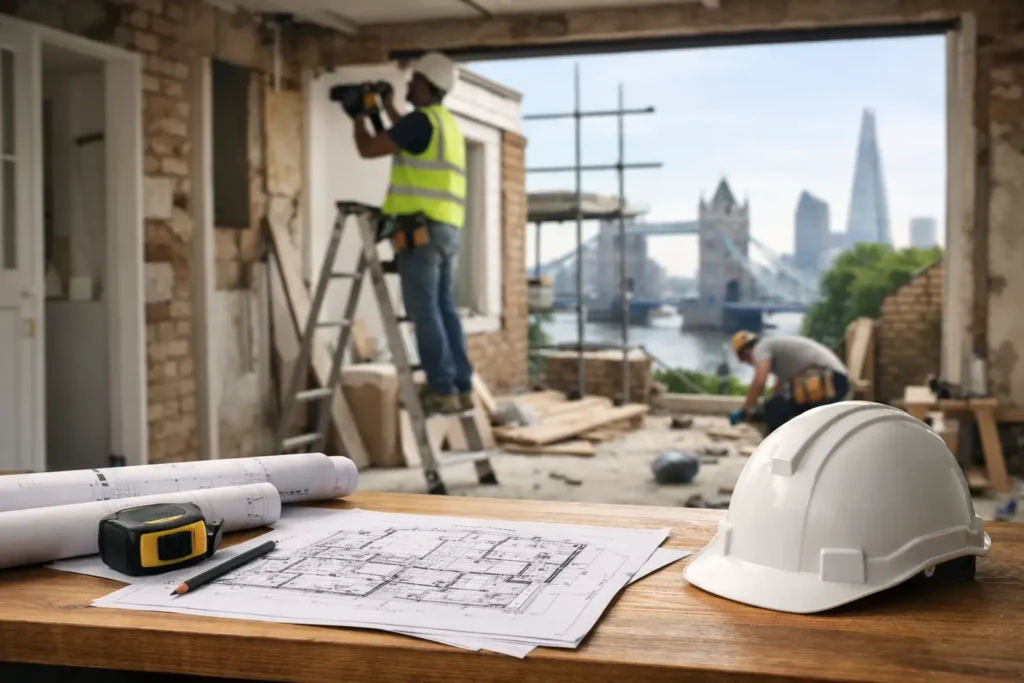
A full house renovation London project rarely starts with walls and floors. It usually starts with friction – a kitchen that bottlenecks family life, a layout that no longer suits how you live, or a house that feels tired despite being in the right location. For many homeowners, renovating the whole property is less about spectacle and more about creating a home that finally works properly.
That is why the early decisions matter so much. A successful renovation is not simply a collection of upgrades. It is a carefully managed process that aligns design, budget, timeline and workmanship from the outset. When those parts are handled properly, the result feels considered, calm and lasting.
Why homeowners choose a full house renovation in London
London homes often come with compromise built in. Period properties can be full of character but awkward in layout. Newer homes may be structurally sound yet lack warmth, storage or individuality. In both cases, piecemeal improvements can only go so far.
A full renovation gives you the chance to look at the property as one complete environment. Instead of upgrading a bathroom this year and revisiting the kitchen later, you can rethink how rooms connect, where natural light falls, how storage is integrated and what standard of finish should run throughout the house. The home becomes coherent rather than gradually patched together.
There is also a financial argument. In many parts of London, moving is expensive and disruptive. Stamp duty, legal fees and the competition for quality homes can make renovation a more sensible long-term investment, especially if the property is already in a location you value.
What a full house renovation London project usually includes
The scope depends on the house, your goals and whether structural changes are involved, but most whole-home projects go well beyond decoration. They often include reconfiguring internal layouts, replacing kitchens and bathrooms, upgrading electrics and plumbing, improving insulation, installing new flooring, updating lighting schemes and refining every visible finish.
Some projects also include knocking through separate rooms to create open-plan living, adding bespoke joinery, improving utility areas or redesigning underused spaces such as loft rooms, side returns or garden-facing extensions. In higher-specification homes, the brief may also include comfort upgrades such as underfloor heating, acoustic improvements and carefully layered lighting.
The key point is that each element affects the others. Flooring choices influence thresholds and door heights. Kitchen layouts affect plumbing and electrics. New glazing may change heating requirements. This is why full renovation works best when it is treated as a joined-up project rather than a series of isolated trades.
Start with the house you have, not the pictures you saved
Inspiration is useful, but it should never replace proper planning. A beautiful reference image cannot tell you whether a wall is load-bearing, whether drainage runs where you need it, or whether your wish list fits the available budget.
The strongest projects begin with a realistic assessment of the property itself. What are the structural limitations? Where is the best opportunity to improve flow? Which original features are worth preserving? Where would investment make the greatest difference to daily life?
This is also the stage where priorities need to be clear. Some homeowners want a more luxurious finish throughout. Others care most about changing the layout, adding storage and improving practicality for a growing family. Neither is wrong, but your answers will shape where the budget works hardest.
Budgeting properly means thinking beyond finishes
One of the most common mistakes in a full renovation is allocating too much budget to visible items too early. It is easy to focus on tiles, brassware and worktops, but those choices sit on top of essential work that often carries significant cost.
In London properties, hidden issues are not unusual. Outdated wiring, uneven floors, tired pipework, damp-related repairs and poor previous alterations can all surface once work begins. That does not mean every renovation becomes unpredictable, but it does mean budgeting should be grounded in a thorough survey, a clearly itemised quote and sensible contingency planning.
This is where professional project management makes a real difference. Transparent pricing helps you understand what is included, where allowances sit and what may change if the scope evolves. It also protects decision-making. When the numbers are clear from the beginning, clients are less likely to be pushed into rushed compromises later.
Timelines: what is realistic and what is not
A whole-house renovation is a major undertaking, and unrealistic timelines tend to create pressure in all the wrong places. Design decisions get hurried, ordering mistakes become more likely and finishing quality can suffer.
The right timeline depends on scale. A cosmetic refurbishment of a straightforward property will move very differently from a full interior strip-out with structural alterations, bespoke joinery and extension works. Access, planning requirements, party wall matters and product lead times can all influence the programme as well.
Good planning does not promise the impossible. It creates a sequence that is efficient, sensible and transparent. Homeowners should know when decisions need to be made, when materials must be signed off and what milestones to expect at each stage. Confidence comes from clarity, not from overpromising.
Design choices that age well
A full renovation should feel current without becoming quickly dated. That balance matters, especially when you are investing across an entire home.
The most successful interiors tend to combine timeless core choices with personality in the right places. Layout, lighting, flooring and joinery should support long-term use. Kitchens and bathrooms should feel elegant but practical. Decorative elements can then bring warmth and individuality without forcing the whole home into a passing trend.
For London family homes in particular, durability deserves as much attention as aesthetics. Natural materials, well-made cabinetry, layered storage and finishes that wear gracefully will usually serve you better than fashionable details that look tired within a couple of years. Luxury is not just how something looks on completion day. It is how well it continues to perform.
Why communication matters as much as craftsmanship
Most renovation stress does not come from choosing paint colours. It comes from uncertainty. Homeowners become anxious when they do not know what is happening, whether the budget is still on track, or who is coordinating the moving parts.
That is why a managed, end-to-end approach is so valuable in a full house renovation London project. When design planning, scheduling, construction and finishing are coordinated under one structure, the experience becomes far easier to follow. Questions are answered quickly. Decisions are logged properly. Responsibility is clear.
Craftsmanship still matters enormously, of course. The finish on joinery, the precision of tiling, the alignment of flooring and the quality of final detailing are what give the home its polished feel. But craftsmanship without communication can still leave clients frustrated. The strongest renovation partners deliver both.
Living through the works or moving out
This is one of the most practical decisions you will make. In smaller phased refurbishments, staying in the property can be manageable. In a true whole-house renovation, it is often far less comfortable than homeowners expect.
Dust, noise, disrupted services and restricted access quickly take a toll, especially for families or anyone working from home. Moving out for the main construction phase can reduce pressure, help the project run more efficiently and allow faster progress across multiple areas at once.
It depends on the scale and on your tolerance for disruption. A good renovation team will be honest about what living on site really involves rather than presenting it as easier than it is.
Choosing the right renovation partner
Not every builder is set up to deliver a full home transformation well. Whole-house renovation demands more than trade skill alone. It needs planning discipline, sequencing, client communication and a clear process for managing design intent through to completion.
That is why homeowners should look closely at how a company works, not just at the images in a portfolio. Are quotes detailed and transparent? Is there a defined project lead? Are timelines discussed realistically? Is the approach centred on quality control and final finish, not just getting through the build?
For clients investing in premium results, this matters as much in Chelsea or Hampstead as it does in a growing family home in Wimbledon or Greenwich. The postcode may change, but the priorities remain consistent: trust, clarity and a standard of delivery that respects both the home and the client experience.
ARC Global Engineering approaches renovation in exactly that spirit – as a guided, high-quality service designed to make ambitious home improvements feel structured and well managed from first concept to final handover.
A well-renovated house changes more than the look of a property. It changes how mornings run, how guests are welcomed, how storage quietly supports everyday life and how the home feels at the end of a long day. When the process is handled with care, precision and honesty, the result is not just a better house. It is a home that fits you properly.