
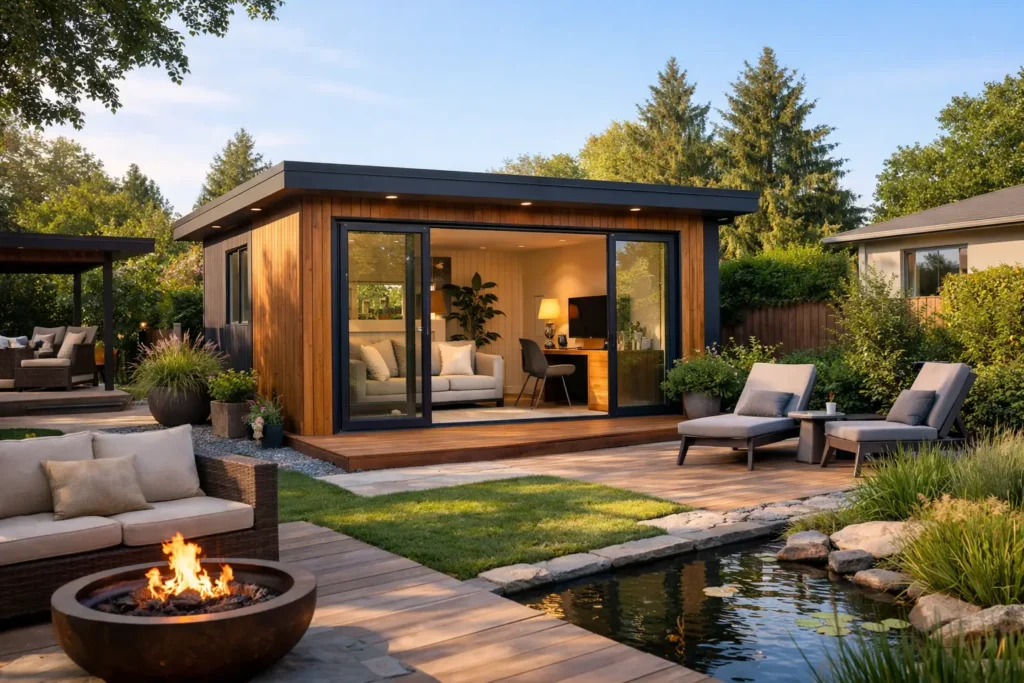
A spare patch of garden can do far more than hold a shed or a set of tired outdoor chairs. The best garden room ideas create genuine living space – somewhere that works hard every day, adds value to your home, and feels considered rather than improvised. For homeowners investing in long-term quality, a garden room is often less about novelty and more about solving a real lifestyle need with style, comfort and precision.
That is why the most successful projects start with purpose. Before thinking about finishes, glazing or furniture, it helps to be clear on how the space will be used most of the time. A garden room that looks impressive but does not quite suit your routine can quickly become underused. A well-planned one, on the other hand, can feel as natural and essential as any other room in the house.
What makes the best garden room ideas work?
The strongest concepts balance three things: function, proportion and connection to the main home. A garden room should feel like an extension of your lifestyle, not a detached afterthought. That means planning for insulation, lighting, storage, heating and year-round comfort from the outset.
It also means being realistic about space. A compact footprint can work beautifully as a focused home office or reading room, while a family entertaining space may need wider doors, more generous circulation and room for flexible seating. The idea itself matters, but the execution is what makes it successful.
Best garden room ideas for everyday living
1. A dedicated home office
This remains one of the most popular options, and for good reason. A properly designed garden office creates physical separation from the main house, which helps with concentration and work-life balance. For professionals who regularly work from home, that distance can be more valuable than simply having a desk in a spare bedroom.
The key is to avoid treating it like a temporary workspace. Built-in joinery, layered lighting, acoustic consideration and strong broadband provision all make a difference. If meetings are part of your day, think about what appears behind you on camera as much as what sits in front of you.
2. A calm studio for fitness or yoga
For homeowners who value wellbeing, a garden room can become a private space for movement, recovery and routine. A home gym works particularly well when the layout is kept uncluttered and the flooring is chosen to suit the activity, whether that means impact resistance for weights or a softer, warmer finish for stretching and yoga.
Natural light is especially important here. Large glazed panels can make the room feel energising in the morning and calm in the evening. Privacy still matters, though, so screening, planting or carefully positioned windows should be part of the design.
3. A garden lounge for entertaining
If your main house already works hard during the week, a separate social space can be a smart addition. A garden lounge is ideal for relaxed evenings, informal drinks, or giving teenagers and guests somewhere to gather without taking over the kitchen.
This concept works best when there is a strong indoor-outdoor flow. Sliding or bifold doors, a nearby patio and integrated lighting outside can make the whole garden feel more useful. It is worth remembering that entertaining spaces need practical support, so storage, a small kitchenette or even a discreet WC may be worth considering depending on budget and available space.
4. A creative studio or hobby room
Some of the best garden room ideas are built around passions that need dedicated space. That could mean painting, music, sewing, photography or crafts that are difficult to contain elsewhere in the home. A separate studio keeps materials organised and protects the rest of the house from clutter, noise or mess.
This is one area where bespoke design matters. The right daylight conditions, work surfaces and storage can make a good room far more enjoyable to use. North-facing light may suit art, while musicians may prioritise acoustics and insulation.
5. A guest room with real comfort
A garden room can make an excellent occasional bedroom, particularly for visiting family or older children returning home. It offers privacy on both sides and can help relieve pressure on the main house during busy periods.
This idea does require careful planning. A guest room needs proper thermal performance, ventilation and enough space to feel comfortable rather than squeezed in. If it will be used regularly, adding a shower room may be worthwhile. It increases complexity, but it can transform the room from occasional overflow into genuinely flexible accommodation.
6. A reading room or quiet retreat
Not every garden room needs to be highly active. Sometimes the most valuable addition is a calm, beautifully finished space to read, think or simply step away from a busy household. This suits many London homes, where the main interior can be elegant but full of activity.
The success of this type of room often comes down to detail. Soft lighting, warm materials, built-in shelving and carefully framed garden views create a sense of retreat. It sounds simple, but simplicity is often harder to get right than a room filled with features.
Design choices that elevate a garden room
Prioritise year-round comfort
A garden room should not only be appealing in July. Proper insulation, quality glazing and reliable heating are what turn it into a usable part of the home through winter as well. Underfloor heating can work beautifully in some schemes, while efficient electric heating may suit others. The right answer depends on the size of the building and how often it will be used.
Think carefully about glazing
More glass is not always better. Full-height glazing brings in light and helps the room feel generous, but too much can reduce wall space, affect privacy and make temperature control harder. A balanced design usually performs better than one led purely by appearance.
Position matters too. In tighter urban gardens, thoughtful placement can help avoid overlooking and make the space feel private without becoming dark.
Build in storage from the start
Even the most elegant garden room can become frustrating if there is nowhere to put everyday items. Storage keeps the room useful and protects the clean, premium finish homeowners usually want from this kind of investment.
A home office might need concealed filing and printer space. A gym may need integrated cupboards for mats and weights. A lounge might benefit from low cabinetry that doubles as a media unit. These details are easier and more cost-effective to resolve early.
Best garden room ideas for families and flexible use
For many households, the most practical answer is not a single-use room but a flexible one. A garden room can work as an office from Monday to Friday and a family snug at weekends. It can start life as a playroom, then become a teen hangout or a quiet workspace later on.
That flexibility should shape the layout. Neutral joinery, adaptable lighting and furniture that can move easily all help the room evolve. This is where a well-managed design and build process becomes especially valuable, because future use is considered at the planning stage rather than left to chance.
It is also wise to think about how the room will sit within the garden as a whole. A beautiful standalone building can still feel awkward if it disrupts circulation or leaves the remaining outdoor space difficult to use. In smaller gardens especially, proportion and placement are as important as the room itself.
The practical side homeowners should not ignore
A garden room is a design opportunity, but it is also a construction project. Budget, permissions, access, foundations and service connections all need to be handled properly. The appeal of a fast solution can be strong, but rushed or poorly coordinated work often leads to disappointment later.
That is why homeowners tend to get the best results when the design, specification and build are approached as one joined-up process. Clear drawings, itemised costs and realistic timelines reduce uncertainty and help ensure the final space matches the original vision. For bespoke projects in London and the surrounding areas, this level of planning is often what separates a polished addition from something that merely fills the end of the garden.
A premium garden room should feel intentional in every sense – visually, practically and structurally. Whether you are creating a refined office, a guest suite or a peaceful retreat, the smartest ideas are the ones that improve daily life and still feel right years from now. If the space is tailored to how you actually live, it will never feel like an extra. It will feel like part of home.