
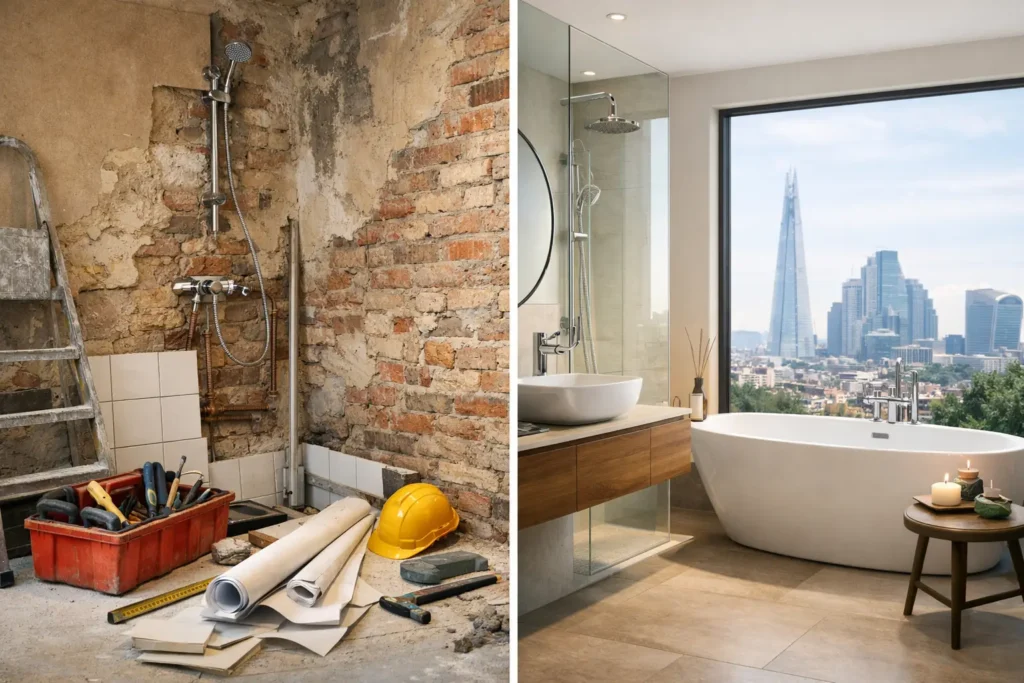
A tired bathroom can affect the rhythm of an entire home. It is where busy mornings begin, where children’s bath times happen, and where you expect a quiet moment at the end of the day. So, are bathroom renovations worth it? For many London homeowners, the answer is yes – provided the project solves genuine problems, suits the property, and is delivered with proper planning rather than rushed decisions.
A well-designed bathroom is not simply a cosmetic upgrade. It can make a compact home feel more functional, improve energy and water efficiency, remove recurring maintenance issues, and strengthen the overall impression of the property. The value is part financial, part practical, and often deeply personal.
Are Bathroom Renovations Worth It for Your Home?
A bathroom renovation is usually worth considering when the existing space no longer supports how you live. Perhaps storage is limited, the layout causes a daily queue, the shower pressure is poor, or ageing finishes are becoming difficult to clean and maintain. In period homes and flats across London, outdated plumbing, inadequate ventilation and awkward room proportions are also common reasons to renovate.
The best projects address these frustrations while creating a space that feels considered and enduring. That might mean replacing a rarely used bath with a generous walk-in shower, adding recessed storage to keep surfaces clear, or reworking pipework so the room can accommodate both a separate shower and a comfortable bath. The aim is not to chase a short-lived trend. It is to create a bathroom that works beautifully for the household now and remains appealing in years to come.
It is less likely to be worthwhile when the scope is driven solely by fashion, particularly if the existing bathroom is in good condition and a move is imminent. A full renovation is a significant investment. If a thoughtful refresh of lighting, brassware, tiling or cabinetry will achieve the desired result, that may be the more sensible route.
The Value You Can Expect
Bathroom upgrades can contribute to a home’s market appeal, but they should not be viewed as a guaranteed pound-for-pound return. Buyers often respond strongly to homes that feel well maintained and move-in ready. A clean, modern bathroom with quality fittings tells them that the property has been cared for, while a dated or poorly finished room can create doubt about wider maintenance.
In competitive London markets, presentation matters. A refined bathroom can help a property compare more favourably with similar homes, especially where the renovation is in keeping with the home’s price point and character. However, the scale of the investment should be proportionate. Fitting an exceptionally expensive scheme into a modest property may not deliver the return you hope for, while underinvesting in waterproofing, ventilation or workmanship can undermine an otherwise attractive design.
There is also value that does not show up neatly on a valuation. Better extraction can reduce condensation and mould risk. Efficient fittings can lower water use. Underfloor heating can improve comfort in a room that otherwise feels cold for much of the year. For homeowners planning to stay put, these everyday improvements can be more meaningful than resale potential alone.
A better layout has lasting impact
In many bathrooms, the layout is the real issue. A bulky vanity may restrict movement, a shower screen may clash with the door, or there may be nowhere for towels and toiletries. Replanning the room can make even a small footprint feel calmer and more generous.
This is where experienced design and project management earn their place. Moving sanitaryware may require changes to drainage, electrics, ventilation and wall finishes. Those decisions need to be coordinated early, before tiles are selected or work begins. A beautiful scheme only performs well when the hidden elements have been handled with the same care as the visible finishes.
Quality prevents expensive repetition
Bathrooms are demanding spaces. They experience moisture, heat, frequent cleaning and daily use, so shortcuts tend to reveal themselves quickly. Poor preparation, inadequate tanking, badly fitted tiles or weak ventilation can lead to leaks, mould and remedial work that costs far more than getting the job right first time.
Investing in reliable installation, durable materials and a clear specification protects the finish and reduces uncertainty. It also makes the handover more reassuring: you know what has been installed, how the room has been finished, and who is responsible for coordinating the work.
What Makes a Bathroom Renovation Worth the Cost?
The strongest bathroom projects balance three things: lifestyle fit, build quality and realistic budgeting. If one is missing, the result can disappoint even when the room looks impressive in photographs.
Start with how the bathroom is used. A family bathroom needs resilient surfaces, practical storage and enough space for the morning routine. An en-suite may justify a more spa-like feel, with layered lighting, a larger shower and finishes that create a private retreat. A downstairs cloakroom has different priorities again – making a strong visual impression while using a compact space intelligently.
Then consider longevity. Neutral does not have to mean bland, but highly specific choices can date quickly. Natural stone-look porcelain, well-proportioned joinery, timeless brassware and carefully chosen lighting are often safer long-term investments than novelty features. If you love a bolder colour or patterned tile, it can be used confidently in an area that is easier to update later.
Finally, establish a budget that includes the work behind the walls. In older properties, opening up a bathroom may reveal pipework issues, uneven walls or previous alterations that need correcting. A transparent, itemised quote and a sensible contingency allow these risks to be managed without turning the project into a stressful series of compromises.
When a Smaller Upgrade Is the Better Choice
Not every bathroom needs a complete strip-out. If the layout is sound, plumbing is reliable and waterproofing is intact, selective improvements can transform the room at a lower cost. Replacing a worn vanity, updating the shower enclosure, renewing silicone and grout, improving mirrors and lighting, or fitting a better extractor can make a noticeable difference.
This approach is especially useful if you intend to sell soon, have a limited budget, or are planning a larger whole-home renovation later. The key is honesty about what is cosmetic and what is essential. Refreshing a room with concealed leaks or persistent damp may only delay the inevitable.
Plan for a Smooth, High-Quality Result
A bathroom renovation involves more coordination than its size suggests. Plumbing, electrical work, tiling, joinery, plastering, decorating, heating and ventilation must happen in the right sequence. Delays often arise when decisions are made late or when materials are ordered without checking dimensions, lead times and compatibility.
Before work starts, agree the layout, final fittings, finish schedule and scope of work. Make sure the programme accounts for drying times, delivery dates and any building management requirements if you live in a flat. If the bathroom is your household’s only one, discuss practical arrangements for the period of works from the outset.
A single managed team can make this process significantly easier. Rather than coordinating separate trades yourself, you have one point of contact responsible for communication, quality control and the programme. ARC Global Engineering approaches bathroom renovations this way, bringing design planning, craftsmanship and project oversight together so homeowners can focus on the finished space rather than the moving parts behind it.
The Decision Is About More Than Resale
The most worthwhile renovation is one that gives something back every day. It should make mornings easier, make the home feel more cared for, and remove the small irritations that have become part of your routine. Resale appeal matters, particularly in London, but it should be one consideration rather than the only one.
If your current bathroom is limiting your comfort, storage, hygiene or confidence in the property’s condition, a carefully planned renovation can be a sound investment. Choose a design that reflects your lifestyle, specify quality where it counts, and work with a team that treats the process as carefully as the finished room. The result should feel less like an expense you have endured and more like a part of your home you are pleased to use every day.