
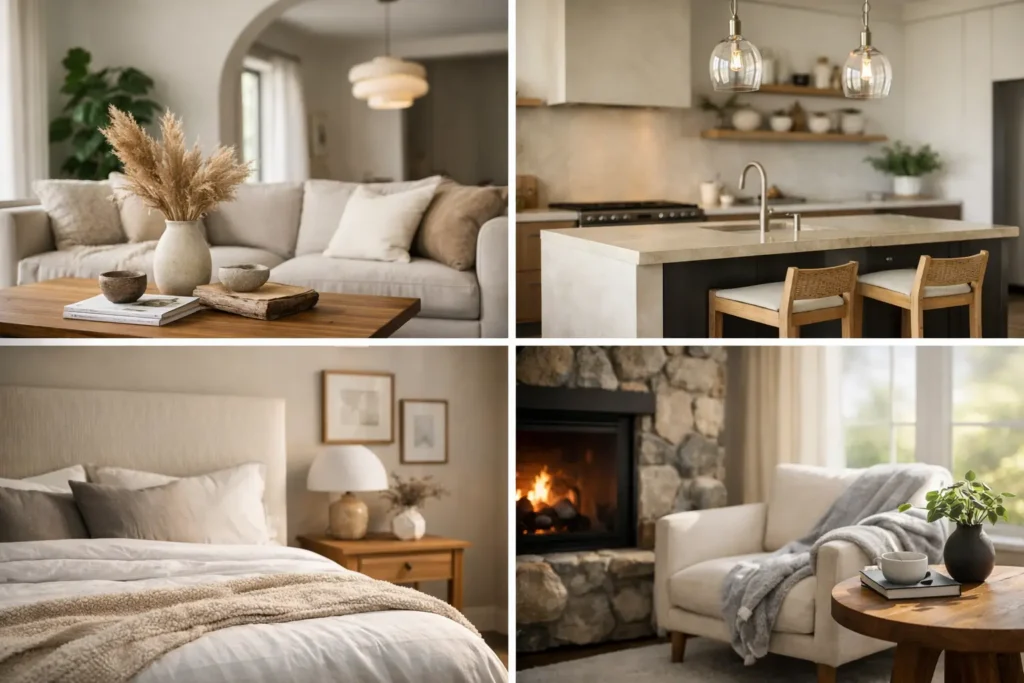
Some of the best home interior design ideas are not the ones that shout the loudest. They are the choices that make a home feel easier to live in on a Monday morning, more comfortable when friends arrive on a Friday night, and better suited to family life year after year. Good design is not just about what looks impressive in a photograph. It is about flow, comfort, storage, light and the small details that turn a renovation into a genuine upgrade.
For homeowners planning a refresh or a full renovation, that distinction matters. Trends can inspire, but the strongest interiors are built around how you actually live. That usually means balancing visual impact with practical decisions on layout, finishes and long-term durability.
Home interior design ideas that improve daily living
The most successful interiors tend to solve a problem as well as create a look. If a space feels cramped, disconnected or difficult to maintain, cosmetic updates alone rarely fix it. Starting with function gives every design decision more value.
1. Rework the layout before choosing finishes
Many homeowners begin with paint colours, tiles or furniture, but layout is often the real turning point. A beautiful room can still feel awkward if the circulation is poor or key areas are competing for space. Opening up a kitchen to a dining area, widening a doorway, or rethinking where storage sits can have a greater impact than any decorative feature.
This is especially relevant in older UK homes, where rooms may have been designed for a different way of living. Open-plan is still popular, but it is not always the right answer in every property. Some families benefit more from broken-plan layouts that keep a sense of openness while creating zones for cooking, working and relaxing.
2. Use lighting as part of the design, not an afterthought
Lighting changes how every material, colour and room feels. Yet it is one of the most overlooked home interior design ideas at the early planning stage. A single ceiling fitting rarely does enough, particularly in multi-use spaces.
Layered lighting usually gives the best result. That might mean combining downlights with pendant lighting over an island, wall lights in a living room, and softer task lighting in reading corners or bedrooms. It creates atmosphere, but it also makes the space more usable at different times of day.
There is a practical side to this too. Planning lighting early allows cables, switch positions and fittings to be integrated neatly rather than adapted later, which often leads to compromises.
3. Build in storage where clutter naturally gathers
Storage works best when it is designed around real habits rather than ideal ones. Hallways collect shoes and coats. Kitchens gather paperwork, small appliances and school bags. Living spaces often become catch-all rooms unless there is a clear place for everyday items to go.
Bespoke joinery can transform this. Window seats with hidden storage, full-height alcove units, utility cabinetry and fitted wardrobes all help reduce visual noise while making the home feel more considered. Freestanding furniture still has its place, but fitted solutions often make better use of awkward spaces and improve the finish overall.
4. Choose materials that age well
A polished interior should still feel polished in three, five or ten years. That is why material selection deserves more attention than passing trends. Natural timber, stone-effect surfaces, quality porcelain tiles and durable paints tend to offer a more timeless foundation than finishes chosen purely for novelty.
That does not mean everything has to be neutral or understated. It means using bolder elements with intention. A striking splashback, a rich paint colour in a snug, or patterned floor tiles in a cloakroom can bring character without overwhelming the whole scheme.
If you have children or pets, this becomes even more important. Some finishes look excellent at first but are harder to maintain in busy family homes. A design that works beautifully on paper should still be practical when life is happening around it.
Smart home interior design ideas for key rooms
Different rooms ask for different priorities. The best results come from understanding what each space needs to deliver, both aesthetically and practically.
5. Make the kitchen feel connected, not just modern
A kitchen renovation is often the centrepiece of a wider home upgrade, and for good reason. It is where family life tends to converge. The best kitchen schemes do more than follow current styling. They improve movement, storage, seating and sightlines.
An island can work brilliantly, but only if there is enough circulation space around it. In a narrower room, a peninsula or a strong galley layout may be more efficient. Likewise, open shelving can soften a kitchen visually, but too much of it can create clutter unless you are committed to keeping it styled and tidy.
Material contrast often helps here. Combining painted cabinetry with timber textures, stone-look worktops and warm metallic details creates depth without making the room feel busy. If the kitchen links directly to dining or living spaces, keeping a consistent palette helps the whole area feel more cohesive.
6. Treat the bathroom like a designed space
Bathrooms are often approached as purely functional rooms, but they have a major effect on how a home feels day to day. A well-designed bathroom can add calm, comfort and a sense of quiet luxury, even in a compact footprint.
Wall-hung vanities, recessed storage, large-format tiles and walk-in showers can all help a bathroom feel more spacious. The real value, though, is in the detailing. Good lighting around mirrors, quality brassware, strong ventilation and well-planned niches all contribute to a result that feels complete.
It also pays to think about longevity. Trend-led finishes can date quickly in bathrooms, where changes are more disruptive and expensive than repainting a bedroom. A timeless base with carefully chosen accents usually offers the best balance.
7. Give living spaces more than one role
Many homeowners now expect their living areas to work harder than they once did. A lounge may also need to accommodate reading, children’s play, occasional home working or entertaining. That calls for a more thoughtful arrangement than simply placing a sofa against one wall and a television on the other.
Zoning can help even in smaller rooms. A rug, a change in lighting, or a fitted media wall with integrated shelving can create structure without adding physical barriers. If you are renovating more extensively, built-in joinery can make these rooms feel calmer and more refined while providing useful hidden storage.
8. Design bedrooms for calm, not excess
Bedrooms are often filled gradually with furniture that does not quite belong together. The result can feel crowded rather than restful. A more tailored approach tends to work better, especially in principal bedrooms where storage is a major requirement.
Fitted wardrobes, upholstered headboards, soft layered lighting and a restrained palette can make the room feel more considered. Texture matters as much as colour here. Timber, linen, wool and matt finishes usually create a softer, more welcoming effect than overly glossy surfaces.
The details that elevate a renovation
Some of the strongest interior results come from decisions that are easy to miss at first glance. These are the elements that make a home feel finished rather than simply updated.
9. Keep a consistent palette across the home
Continuity helps a property feel larger, calmer and more premium. That does not mean every room should look the same, but there should be some visual connection between them. Repeating certain tones, materials or metal finishes creates that link.
This is especially useful in full-house renovations and extensions, where old and new spaces need to sit comfortably together. A cohesive approach makes transitions feel intentional rather than pieced together.
10. Add character through architectural detail
Plain rooms can be transformed with thoughtful detailing. Wall panelling, ceiling coving, internal glazing, pocket doors, feature joinery and carefully chosen ironmongery can all add depth and interest. In period properties, this might mean restoring original character. In newer homes, it may involve introducing detail where little existed before.
The key is proportion. Too many competing features can feel forced. The most elegant interiors usually have one or two strong gestures supported by simpler finishes elsewhere.
11. Plan the project around delivery, not just inspiration
This may be the most overlooked idea of all. A well-designed interior still depends on disciplined execution. Choices around layout, electrics, plumbing, lead times and sequencing affect the final result as much as the concept itself.
That is why homeowners often get better outcomes when design and build are treated as one coordinated process. It reduces the gaps between vision and delivery, helps control costs more accurately, and avoids the stress that comes from juggling multiple contractors with different priorities. For clients investing in a significant home upgrade, that structure is often what turns a promising idea into a genuinely smooth renovation experience.
At ARC Global Engineering, that joined-up approach is central to how high-quality residential renovations are delivered, from the first planning conversations to the final finishing details.
Home interior design should never feel like a collection of random trends. The best results come from clear thinking, strong workmanship and choices that support the way you live now and in the years ahead. If an idea makes your home more comfortable, more functional and more beautifully resolved, it is likely to be one worth keeping.
Planning a Home Renovation?
ARC Global Engineering provides complete interior design, renovation and project management services across London and surrounding areas.
- Free site survey
- Interior design & 3D visualisations
- Full project management
- Competitive no-obligation quotations
- Guaranteed workmanship
Contact us today to discuss your renovation project.