
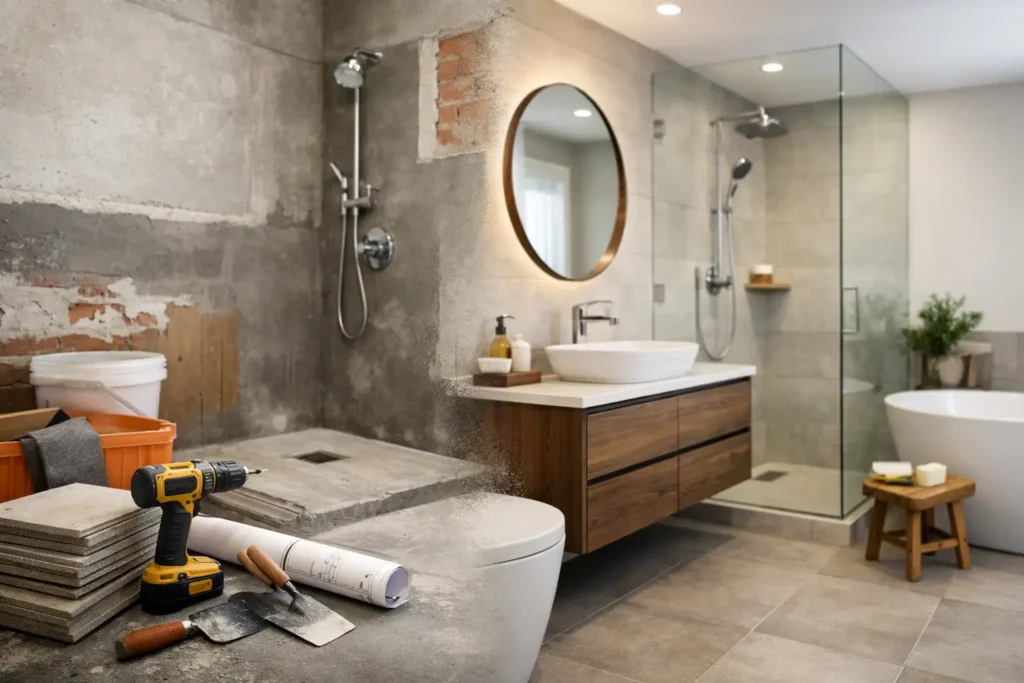
A good bathroom renovation in Bromley is rarely about swapping tiles and taps. More often, it starts when the room no longer suits the way you live – the family bathroom feels cramped, the en suite looks tired, or the finish simply lets down the rest of the home. When that happens, the right renovation is not just cosmetic. It is a chance to improve comfort, function and day-to-day ease, while adding lasting value.
Why bathroom renovation in Bromley often needs a tailored approach
Homes in Bromley vary more than many homeowners expect. A period property may come with uneven walls, dated pipework and awkward room proportions. A newer home might have a more straightforward layout but still fall short on storage, lighting or finish quality. That is why a successful bathroom project begins with the room you have, not a one-size-fits-all design pulled from a brochure.
The best outcomes come from balancing lifestyle priorities with the technical realities of the space. A family with young children may need a practical bath, durable surfaces and easy-clean fittings. A couple renovating a principal en suite may place more value on a walk-in shower, refined lighting and a calmer, hotel-style feel. Neither approach is better. It depends on how the room is used and what will still work well in five or ten years.
This is where careful planning makes a visible difference. A premium finish means very little if the basin is too tight to use comfortably or the storage is an afterthought. Good renovation decisions are usually the quiet ones – the right spacing, sensible ventilation, neat detailing and materials that will age well.
Getting the layout right before choosing finishes
Many homeowners naturally focus first on the look of the room. Tiles, brassware and colours are exciting to choose, but layout should come before all of them. If the room feels awkward now, a surface-level refresh may leave the core problem untouched.
In some bathrooms, keeping plumbing in roughly the same position is the most efficient route. It can help control costs and reduce disruption without compromising the final result. In other cases, moving the shower, WC or vanity is worthwhile because it creates a room that works far better every day. That is a trade-off worth assessing properly rather than deciding too early.
For smaller bathrooms, layout discipline is especially important. Wall-hung fittings can create a greater sense of space. Recessed storage can reduce visual clutter. A frameless shower screen often helps the room feel lighter and more open than a boxed enclosure. Small changes like these can transform how spacious the room appears, even without changing its footprint.
Larger bathrooms present a different challenge. More space can be an advantage, but it can also lead to poor balance if the layout is not considered carefully. A room can end up feeling empty in some areas and congested in others. Well-planned zoning, lighting and joinery help create a bathroom that feels composed rather than oversized.
What really affects the cost of a bathroom renovation Bromley project
Cost is one of the first questions homeowners ask, and understandably so. The honest answer is that bathroom renovation Bromley budgets can vary significantly because so much depends on specification, scope and the condition of the existing space.
The size of the bathroom matters, but it is not the only factor. A compact bathroom fitted with premium materials, bespoke storage and high-end sanitaryware can cost more than a larger room finished to a simpler specification. Behind-the-scenes work also has a major impact. If pipework, flooring, walls or electrics need updating, that changes the project more than tile choice alone.
There is also a clear difference between cosmetic improvement and full renovation. Replacing like-for-like fittings and refreshing finishes is one level of work. Reconfiguring the room, improving lighting, upgrading extraction and introducing made-to-measure elements is another. Both can be worthwhile, but they serve different goals.
For homeowners who want certainty, transparent quoting matters just as much as the total figure. An itemised quotation gives a clearer view of where the investment is going and helps avoid the frustration of vague allowances or missing details. It also makes it easier to weigh options sensibly. You may decide to invest more in joinery and tiling while keeping brassware more restrained, or prioritise underfloor heating and lighting because those features affect comfort every day.
Timelines, disruption and how to keep the process under control
One reason bathroom projects feel stressful is that they affect daily routines immediately. Unlike some other areas of the home, the disruption is hard to ignore. That is why project management is not an optional extra. It is central to the experience.
A well-run renovation starts with a realistic programme. Homeowners should know what is happening, when materials need to be signed off, and where decisions must be made to keep progress on track. Delays often come from late selections, poor coordination between trades or unexpected site conditions that were not discussed properly at the outset.
Older properties can bring surprises once strip-out begins. Water damage, outdated substrate, hidden pipe runs or poor previous workmanship are not unusual. That does not mean the project is going wrong. It means the team needs to respond calmly and professionally, with clear communication and practical solutions.
If the home has more than one bathroom, the process is naturally easier. If it does not, planning becomes even more important. In those cases, a tightly managed programme and reliable site coordination help reduce inconvenience and keep the project moving efficiently.
Choosing finishes that still look good in years to come
The most impressive bathrooms are not always the ones with the boldest materials. More often, they are the ones that feel considered, cohesive and easy to live with. Trends can be useful for inspiration, but a bathroom should not be designed around short-lived fashion.
Natural stone, porcelain, brushed metals, timber-effect finishes and soft neutral palettes remain popular for good reason. They offer longevity and flexibility, especially when paired with strong lighting and clean detailing. That said, timeless does not have to mean plain. Character can come through texture, tone, shaped mirrors, fluted vanity fronts or a more distinctive feature tile used in a controlled way.
Practicality should sit alongside style. Some materials are beautiful but higher maintenance. Some fittings look striking in a showroom but can be less forgiving in a busy family setting. Matte black brassware, for example, can look sharp, but it may show marks more readily than brushed nickel or chrome depending on usage and water quality. These are the decisions that benefit from honest guidance rather than sales language.
Lighting deserves more attention than it often gets. A bathroom needs ambient lighting, task lighting and enough thought around mirror placement to make the room genuinely usable. If the design aims for luxury living, lighting is often what elevates the atmosphere from standard to refined.
Why homeowners benefit from an end-to-end renovation service
Bathroom renovations involve more moving parts than they appear to on the surface. Design decisions affect plumbing. Tiling affects levels. Joinery needs to work with electrical positions and lighting plans. When these details are handled in isolation, mistakes and delays become more likely.
That is why many homeowners prefer a single-source renovation partner rather than managing separate designers, trades and suppliers themselves. With an end-to-end service, the process becomes more coordinated from concept through to final handover. There is greater accountability, clearer communication and less room for details to fall between different contractors.
For clients investing in a high-quality result, that structure is often just as valuable as the workmanship itself. Premium renovation should feel well led, not improvised. ARC Global Engineering approaches projects with that level of care, combining tailored design thinking with disciplined delivery so homeowners can move through the process with confidence.
How to tell if your bathroom is due for more than a refresh
Sometimes the signs are obvious. Cracked tiles, leaking fixtures, poor ventilation and dated finishes all point to the need for improvement. But some bathrooms look serviceable while still underperforming in ways that affect daily life.
If the room always feels cluttered, if lighting is poor, if cleaning is harder than it should be, or if the layout creates constant frustration, a deeper renovation may be justified. The same is true if the bathroom no longer reflects the standard of the rest of the property. A well-designed bathroom supports the wider feel of the home. It should not feel like a compromise every time you use it.
The right renovation does not need to be excessive to feel transformative. Often, the biggest difference comes from improving flow, storage, finishes and comfort in a way that feels natural to the home and effortless to use.
A bathroom should work quietly in the background of daily life while still feeling beautifully finished. If yours no longer does that, it may be time to plan a space that looks better, functions properly and gives you confidence that every detail has been handled with care.