
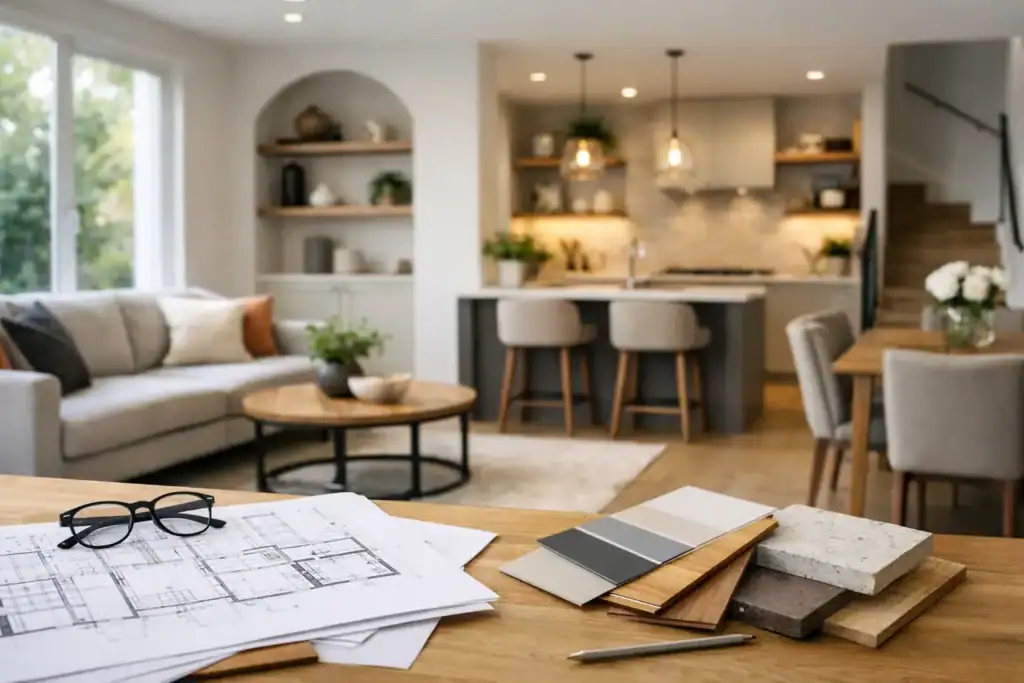
A beautiful home in Clapham is rarely just about finishes. In many period terraces and converted flats, the real challenge is making the space work better – improving flow, storage, light and day-to-day comfort without losing the character that made you buy the property in the first place. That is why a successful Clapham interior design renovation starts with more than style choices. It starts with how you live.
For homeowners investing seriously in their property, the goal is not a cosmetic refresh that looks good for six months. It is a considered renovation that supports family life, entertaining, working from home and long-term value. Done properly, interior design and renovation should feel joined up from the start, not treated as separate decisions handed between different people.
What makes a Clapham interior design renovation different?
Clapham homes often come with a very specific set of opportunities and constraints. You might be working with a Victorian terrace that has generous proportions but a fragmented ground floor. You might own a flat with good natural light in one room and very little in another. Or you may have already outgrown the layout, even though the overall square footage should be enough.
This is where design-led renovation earns its value. Rather than asking what colours or tiles to choose first, the better question is what needs to change structurally, visually and practically so the home feels calmer and more useful every day.
That may mean opening up a kitchen and dining area while still creating subtle zoning. It may mean introducing bespoke joinery to solve storage in awkward alcoves. In some homes, it means reworking a bathroom so it feels like a private retreat rather than a compromise squeezed into leftover space. The design decisions need to support the build, and the build needs to protect the design intent.
Good renovation starts with layout, not decoration
One of the most common mistakes in interior renovation is focusing too early on finishes. Flooring, brassware and paint matter, but they cannot fix a poor plan. If circulation is awkward, storage is lacking or the kitchen layout fights against daily use, even the most expensive materials will not make the home feel right.
A more reliable approach is to begin with the core questions. Where does clutter build up? Which areas are underused? Do sightlines make the property feel smaller than it is? Is there enough task lighting where you actually need it? Does the layout reflect how the household lives now, rather than how the house was arranged decades ago?
These are practical questions, but they lead to the kind of refined results homeowners usually describe as effortless. When a renovation feels luxurious, it is often because the planning was disciplined.
The role of flow in everyday living
Flow is one of those terms that can sound vague, but in renovation it is highly tangible. It affects how you move from hallway to kitchen, how noise carries between living areas, and whether a room invites you to use it. In family homes, flow also shapes supervision, privacy and storage.
For example, open-plan living can be transformative, but it is not always the answer in its purest form. Sometimes a partial division, pocket doors or a carefully placed island gives you the openness you want without losing definition. The best solution depends on the property and your habits, not trends.
Storage is part of the design, not an afterthought
In many Clapham properties, especially where space is valuable, storage deserves the same attention as finishes. Bespoke cabinetry, under-stair joinery, fitted wardrobes and utility zoning can change how a home feels on a daily basis.
When storage is integrated early, rooms stay visually calm and easier to maintain. That matters just as much as aesthetics. A polished home is not only one that photographs well – it is one that works quietly in the background of real life.
Style should reflect the property and the people in it
A polished interior should feel personal, not staged. In practice, that means the design direction needs to respect both the architecture and the homeowner’s lifestyle.
In a period property, original cornicing, fireplaces or sash windows may deserve to be highlighted rather than competed with. In a more contemporary flat, clean lines and restrained materials may feel more natural. Neither approach is automatically better. What matters is coherence.
This is also where clients benefit from a clear design and build process. It is much easier to make confident decisions on kitchens, bathrooms, flooring and lighting when there is already a shared vision for the finished result. Without that framework, renovation can become a series of isolated choices that do not quite belong together.
The value of one coordinated team
A Clapham interior design renovation tends to run more smoothly when design, planning and construction are managed as one service. Homeowners often come to renovation with one very reasonable concern: they do not want to spend months chasing updates, mediating between trades or dealing with costs that shift every few weeks.
That concern is justified. Many renovation problems are not caused by ambition. They are caused by fragmented delivery.
When one team oversees concept development, scope, scheduling, procurement and construction, there is usually better accountability from the outset. Quotes can be more clearly itemised. Timelines are easier to manage. Design decisions are tested against practical build realities before they become expensive site changes.
For the client, this creates a very different experience. The process feels guided rather than reactive. Communication is clearer. Risks are identified sooner. And the finished home is more likely to reflect the original brief, rather than a watered-down version shaped by compromises that appeared halfway through the build.
Where homeowners should invest first
Not every part of a renovation has the same impact. If you are planning a substantial interior overhaul, the strongest returns often come from the areas you use hardest and notice most.
Kitchens remain central because they combine function, social life and visual presence. A well-designed kitchen renovation can improve storage, circulation, lighting and family routine all at once. Bathrooms matter for similar reasons. They may be smaller spaces, but the difference between adequate and exceptional is felt every day.
Beyond those rooms, flooring consistency, lighting design and bespoke joinery often do more for the overall experience of a home than people expect. They create cohesion. They make the property feel considered. And they help the renovation read as a complete transformation rather than a patchwork of upgrades.
That said, every project involves trade-offs. If budget needs to be phased, it is usually wiser to complete the structural and foundational work properly first, then layer decorative elements in a controlled way. Re-doing work later is almost always more costly than planning the sequence carefully from day one.
How to avoid the renovation stress homeowners fear most
Most clients are not worried about choosing between two stone samples. They are worried about delays, vague pricing, poor workmanship and lack of communication. Those are the issues that damage trust.
The strongest renovation experience is built on clarity. That means a detailed brief, realistic budgeting, itemised quoting, a defined programme and regular communication throughout the project. It also means being honest about what is possible within the property and the budget available.
There are moments in every renovation where choices need to be made. A lead time changes. A hidden issue appears when walls are opened. A preferred specification may need to be reviewed. Those moments are manageable when the project is being run properly. They become stressful when there is no structure around them.
This is where an experienced, well-managed partner makes a visible difference. Companies such as ARC Global Engineering position renovation as a guided service rather than a loose collection of trades, and that distinction matters. Premium results depend on craftsmanship, but they also depend on disciplined project delivery.
Design that improves daily life, not just resale value
It is sensible to think about value when renovating, especially in a desirable area like Clapham. But the best projects do not chase resale at the expense of liveability. They improve the experience of living in the home now, while also strengthening its long-term appeal.
That might mean creating a better principal suite, integrating a utility area that reduces visual clutter, or turning an awkward reception room into a flexible family space and home office. These are not flashy upgrades, yet they often have the greatest effect on how a property supports modern life.
A well-executed renovation should feel settled from the moment you move back in. Not over-designed. Not trend-led for the sake of it. Just thoughtfully resolved, beautifully finished and practical in all the places that matter.
If you are considering your own renovation, start by thinking less about surfaces and more about standards – how you want the home to function, how you want the process to feel, and what level of finish will still satisfy you years from now. That is usually where the best homes begin.