
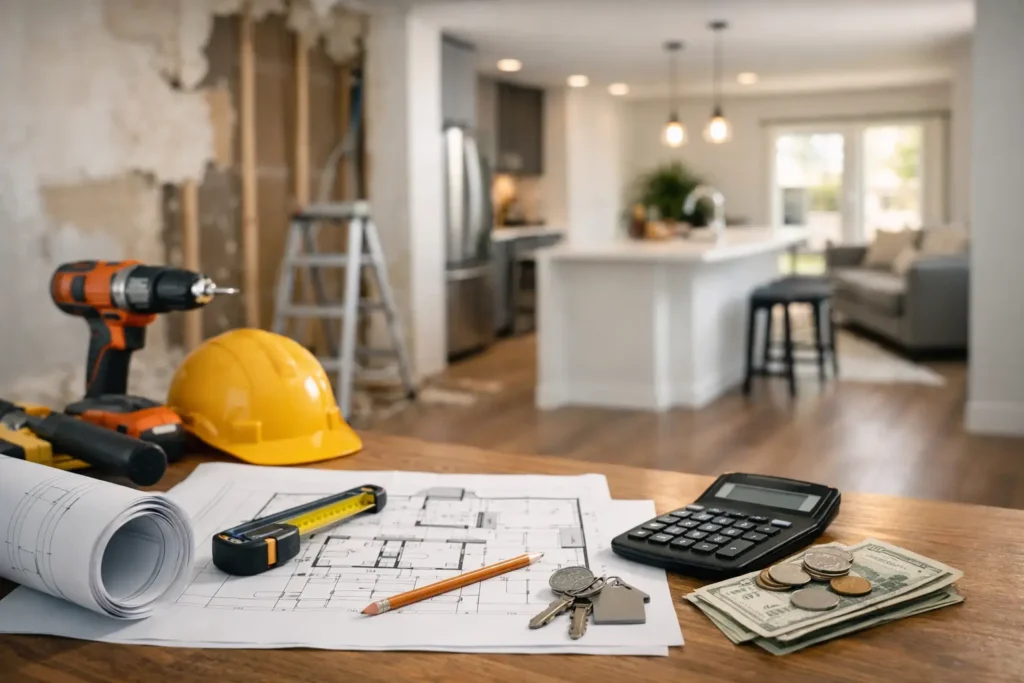
A beautiful renovation rarely goes over budget because of one dramatic mistake. More often, the gap appears in smaller decisions such as moving a wall, upgrading joinery, changing tile choices, adding bespoke lighting or correcting hidden issues once work begins. That is why understanding home interior renovation cost matters before designs are finalised, not after the build is under way.
For most homeowners, cost is not simply about what they can afford today. It is about how confidently they can invest in a home that works better, feels better, and adds long term value to daily life. A well planned renovation should bring clarity as well as quality, which is why the real question is not just “How much will it cost?” but “What is driving the cost, and how can it be managed properly?”
What shapes home interior renovation cost?
The biggest influence on home interior renovation cost is scope. Refreshing finishes in a few rooms is one thing. Reconfiguring layouts, upgrading services, fitting a new kitchen, renovating bathrooms, and introducing storage is a very different level of project.
In practical terms, costs tend to rise sharply when works move beyond decoration and into structural or service related changes. Knocking through spaces, relocating plumbing, rewiring, replacing heating systems, and improving insulation all add complexity. These are often worthwhile investments, especially in older homes, but they need to be priced honestly from the start.
Property condition also plays a major role. A home that looks ready for cosmetic improvement can still hide outdated electrics, uneven floors, poor plasterwork, damp damage, or pipework that needs replacing. This is one reason experienced renovation firms place such value on thorough surveys and early-stage planning. Reliable budgeting depends on understanding the property as it really is, not as it appears on first viewing.
Then there is specification. Two projects with the same floor area can end up with very different budgets depending on materials, fixtures, and finishes. Off-the-shelf solutions will generally cost less than bespoke joinery. Porcelain can be more affordable than natural stone. Standard sanitaryware will price differently from designer brassware and premium fittings. None of these choices are right or wrong, they simply need to align with the outcome you want and the budget you are comfortable with.
Typical cost ranges in the UK
When homeowners search for home interior renovation cost, they usually want a number. Fair enough. The challenge is that a meaningful figure depends on what is included.
A light interior refurbishment with decorating, flooring, modest updates to fixtures, and limited alterations might sit at the lower end of the range. A more substantial renovation involving layout changes, new kitchen and bathrooms, upgraded electrics, plastering, flooring, and high quality finishes will sit much higher. A premium full house transformation with bespoke detailing and major service upgrades will move higher again.
As a broad UK guide, many interior renovation projects are considered in terms of cost per square metre. Modest refurbishments may begin from around £800 to £1,200 per square metre, while comprehensive, high spec interior renovations can often range from £1,500 to £2,500 per square metre or more. In prime properties or highly bespoke schemes, figures can exceed that.
These are planning figures, not promises. They are useful for early budgeting, but they should never replace a detailed, itemised quote. If a number seems unusually low, it often means part of the project has not yet been accounted for.
Why kitchens and bathrooms shift the budget fastest
If you are renovating the interior of a home, kitchens and bathrooms usually have the greatest effect on cost. They combine multiple trades, expensive fittings, service connections, waterproofing requirements, tiling, cabinetry, and finishing details in relatively compact spaces.
A kitchen budget can rise quickly once bespoke units, stone worktops, premium appliances, feature lighting, and island reconfigurations enter the picture. Bathrooms behave in much the same way. Moving wastes, installing underfloor heating, specifying frameless glass, or choosing large format tiles all add to the final figure.
That does not mean these rooms should be treated as cost problems. Quite the opposite. They often have the strongest impact on both lifestyle and property value. The key is to invest intentionally. A well designed kitchen that supports family life every day will usually justify more budget than an upgraded finish in a room used less often.
The costs homeowners often forget
One of the most common budgeting mistakes is focusing only on visible finishes. Renovation costs are often influenced just as much by the less glamorous elements behind the scenes.
Professional fees, design development, structural calculations, permissions where needed, skip hire, temporary protection, waste removal, and final decorating can all be overlooked at the start. So can flooring preparation, making good around altered openings, and the upgrades required to bring older services up to standard.
Contingency matters too. In renovation, there is always an element of discovery. Even with careful planning, once floors are lifted or walls opened up, previously hidden issues may need attention. A sensible contingency often around 10 to 15 per cent depending on the age and complexity of the property provides breathing space without derailing the wider project.
How to budget without compromising the result
Good budgeting is not about cutting quality at every turn. It is about putting money where it matters most.
Start by being clear about priorities. If your main goal is open plan family living, the layout, lighting, kitchen quality, and storage should lead the budget conversation. If your aim is a more luxurious principal suite, then bathroom detailing, finishes, and fitted joinery may deserve greater investment. When priorities are clear, the budget becomes easier to shape.
It also helps to separate must haves from nice to haves early on. Some features are fundamental to how the home functions. Others can be introduced later. This distinction protects the integrity of the renovation while allowing flexibility if pricing comes back above expectations.
An itemised quote is especially valuable here. Rather than seeing one large figure, you can understand exactly where money is being allocated and make informed adjustments. That level of transparency gives homeowners far more control and usually leads to better decisions.
Why the cheapest quote is rarely the lowest cost
A low quote can feel reassuring in the early stages, but it often carries the highest risk later. If key items are missing, allowances are unrealistic, or project management is weak, the final spend can quickly exceed the original price.
This is where professional coordination makes a real difference. A well managed renovation is not just about workmanship on site. It is about sequencing trades properly, anticipating issues before they become delays, communicating clearly, and keeping decisions aligned with budget throughout the build.
For homeowners investing in a primary residence, confidence matters as much as cost. The right partner should help you understand what is included, where there is flexibility, what might affect programme, and how any changes will be handled. That is a very different experience from being handed a vague estimate and hoping for the best.
A smarter way to approach home interior renovation cost
The most successful projects begin with a realistic conversation. Not a rushed ballpark figure, but a proper discussion about your goals, your property, your preferred level of finish, and the standard of delivery you expect.
At that point, cost stops being a guessing game and becomes part of the design strategy. You can make better choices on layout, specification, and phasing because you understand the financial impact of each one. For many homeowners, that clarity is what turns renovation from a stressful unknown into an exciting, manageable process.
For example, a family renovating before a new school year may value dependable timelines just as highly as premium finishes. Another household may be happy to extend the programme slightly in order to invest in bespoke cabinetry and statement lighting. Neither approach is better. It depends on lifestyle, priorities, and what success looks like in the finished home.
If you want a polished result that feels considered, comfortable, and built to last, home interior renovation cost should be viewed through that wider lens. The goal is not simply to spend less. It is to spend wisely, with full visibility and the right level of professional guidance.
At ARC Global Engineering, that means treating every renovation as a managed journey rather than a collection of building tasks. When pricing is clear, planning is detailed, and craftsmanship is consistent, homeowners can make decisions with confidence and enjoy the process as much as the final transformation.
The best place to start is with honest numbers, clear priorities, and a team that respects both your budget and your vision because a well renovated home should feel rewarding long before the last coat of paint dries.
Planning a Home Renovation?
ARC Global Engineering provides complete interior design, renovation and project management services across London and surrounding areas.
- Free site survey
- Interior design & 3D visualisations
- Full project management
- Competitive no-obligation quotations
- Guaranteed workmanship
Contact us today to discuss your renovation project.