
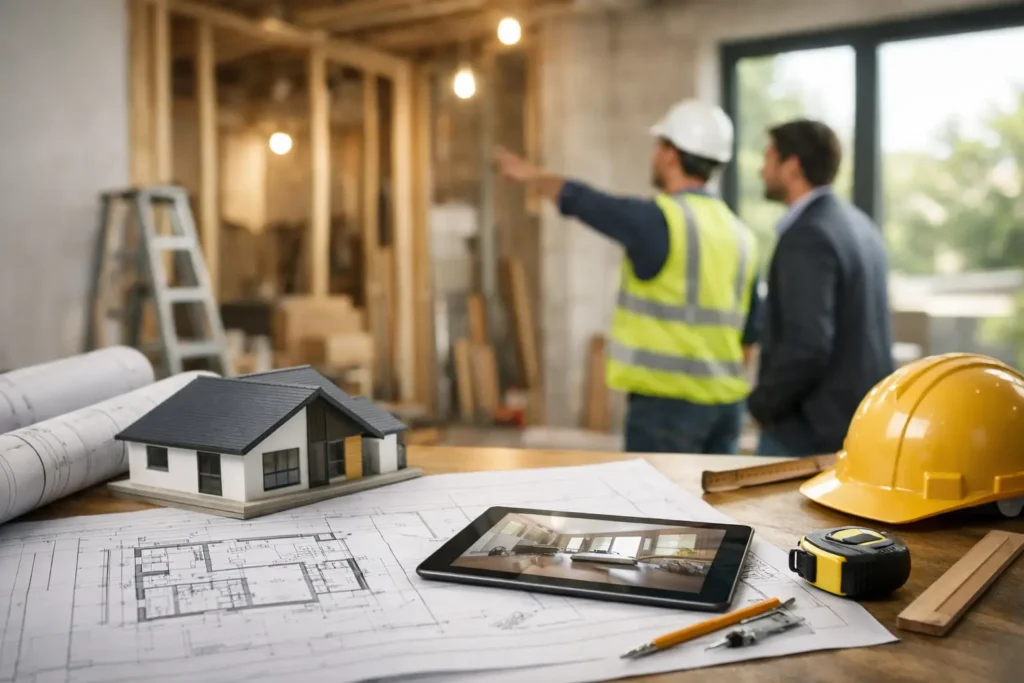
A renovation usually starts with excitement and then, quite quickly, runs into reality. One contractor blames the drawings, the designer says the builder has priced too low, and the homeowner is left trying to join the dots while living around dust, delays and decisions. That is exactly why design and build renovation has become such a smart choice for homeowners who want a better process as well as a better result.
For families and professionals investing seriously in their home, the appeal is simple. Instead of hiring separate parties and managing the gaps between them, you work with one team responsible for the full journey. Design, planning, pricing, scheduling, construction and finishing all sit under one roof. When handled properly, that creates more control, clearer communication and a renovation that feels considered from the very first sketch to final handover.
What design and build renovation really means
At its core, design and build renovation is an end-to-end service model. One company takes ownership of both the creative side and the delivery side of the project. That includes understanding how you want to live, developing the design, preparing detailed costs, coordinating trades, managing the programme and delivering the finished space.
That might sound straightforward, but it solves one of the biggest problems in residential renovation: fragmentation. In a traditional route, design and construction often happen in separate stages with separate teams, separate priorities and separate interpretations of what was agreed. Even with good intentions, that can lead to delays, redesign costs and avoidable stress.
With a properly managed design and build approach, decisions are made with buildability, budget and timing in mind from the outset. The design is not created in isolation. It is shaped by real construction knowledge, practical sequencing and a clear understanding of the finish level required.
Why homeowners choose a design and build renovation
The main advantage is not just convenience. It is accountability.
When one team is responsible for the whole project, there is far less room for confusion about who owns what. If a layout needs refining, the people pricing it are already in the conversation. If a structural change affects programme or cost, that can be discussed early instead of becoming a surprise midway through the build. For homeowners, that joined-up thinking is often what turns a complicated project into a manageable one.
There is also a strong financial benefit. A renovation budget rarely goes off track because of one dramatic error. More often, costs drift through a series of small disconnects – unclear drawings, assumptions made by trades, last-minute specification changes, or elements omitted at quoting stage. A design and build structure reduces that risk because the design development and costing process happen together.
That does not mean every project is cheaper. Premium workmanship, tailored details and higher-grade finishes still come at a cost. What changes is the level of cost clarity. A well-run team should be able to explain where your budget is going, what is fixed, what is variable and where choices may affect the final figure.
The difference between streamlined and rushed
Some homeowners hear “all under one roof” and worry that design quality might be compromised in the name of speed. That is a fair concern, because not every design and build provider works to the same standard.
The strongest projects are not rushed. They are structured.
A good team will spend time at the beginning understanding how the home needs to function. That is especially important in London properties, where space is often hard-won and every square metre matters. A kitchen extension is not just about adding doors onto the garden. It may need to support family dining, storage, entertaining, homework, utility space and better natural light. A bathroom renovation is not just about replacing tiles and fittings. It may be about improving flow, comfort and day-to-day ease in a busy household.
The value of design and build lies in balancing those lifestyle goals with practical delivery. You want a team that can be creative, but also disciplined enough to protect the budget, programme and finish quality.
What a good design and build renovation process looks like
The first stage should feel consultative, not transactional. Before drawings begin, there needs to be a proper conversation about how you live now, what is not working and what you want the space to do differently. The best design decisions come from that level of understanding, not from trends alone.
From there, concept development should move into design planning with clear cost awareness. This is where many projects either gain momentum or lose it. If the design is exciting but unrealistic for the budget, disappointment is almost guaranteed later. If it is overly cautious, you may miss opportunities to create a home that genuinely improves your lifestyle.
Once the design direction is agreed, detailed pricing, scheduling and technical coordination should follow. This stage matters more than many homeowners realise. It is where timelines become credible, quotations become transparent and expectations become aligned. Itemised costs are especially valuable because they show what has been allowed for and make decisions easier if priorities shift.
During construction, project management becomes the difference between a smooth experience and a draining one. Reliable communication, sequencing of trades, quality control and regular updates should not be treated as extras. They are central to a successful renovation. Homeowners want craftsmanship, of course, but they also want confidence that someone is actively steering the job.
Where design and build renovation works best
This approach is particularly effective for projects with multiple moving parts. Full interior renovations, rear extensions, kitchen reconfigurations, loft conversions, bathroom upgrades and bespoke garden rooms all benefit from joined-up management. The more disciplines involved, the more valuable a single-source partner becomes.
It is also well suited to homeowners who do not want to spend months coordinating designers, builders, suppliers and schedules themselves. If you have a demanding career, a busy family life, or both, handing that responsibility to an experienced team can be a very sensible decision.
That said, it is not a magic formula. The quality of the outcome still depends on the quality of the company. A design and build model only delivers peace of mind if the team has strong design judgement, disciplined project management and a genuine respect for detail.
What to look for before you commit
Transparency should come first. You should understand how the process works, when decisions need to be made, what is included in the quotation and how changes are handled. If pricing feels vague at the start, it rarely becomes clearer later.
You should also look for evidence of planning and communication, not just attractive finished photos. A beautifully renovated kitchen is impressive, but homeowners benefit most from knowing the work was delivered with care, organisation and consistency. Ask how timelines are built, how site updates are shared and who your main point of contact will be throughout the project.
Craftsmanship matters as well, especially in premium residential work. Fine finishes, clean detailing and thoughtful materials are what make a renovation feel complete rather than merely functional. But craftsmanship on its own is not enough. The real value sits in combining quality workmanship with a process that feels controlled and reassuring.
That is why many homeowners prefer a company such as ARC Global Engineering for larger home improvements. The appeal is not simply that one team can do everything. It is that the work is managed with care, quoted clearly and delivered with the level of structure that helps clients feel informed rather than overwhelmed.
The long-term value of a joined-up approach
A successful renovation should do more than improve appearances. It should make daily life easier, support how your household functions and add lasting value to the property. Those outcomes depend on decisions made long before the final coat of paint.
When design and construction are aligned from the beginning, the finished result tends to feel more cohesive. Layouts make better sense. Storage is considered earlier. Lighting, finishes and practical details are resolved with less compromise. The home does not just look upgraded. It feels better to live in.
That is especially important when renovating a long-term family home. You are not only paying for materials and labour. You are investing in confidence, comfort and a process that respects both your property and your time.
If you are planning a significant home improvement, the right question is not simply who can build it. It is who can take your idea, shape it intelligently and deliver it with the kind of care that makes the whole experience feel worthwhile.